Realme’s software update promise hits the premium segment only
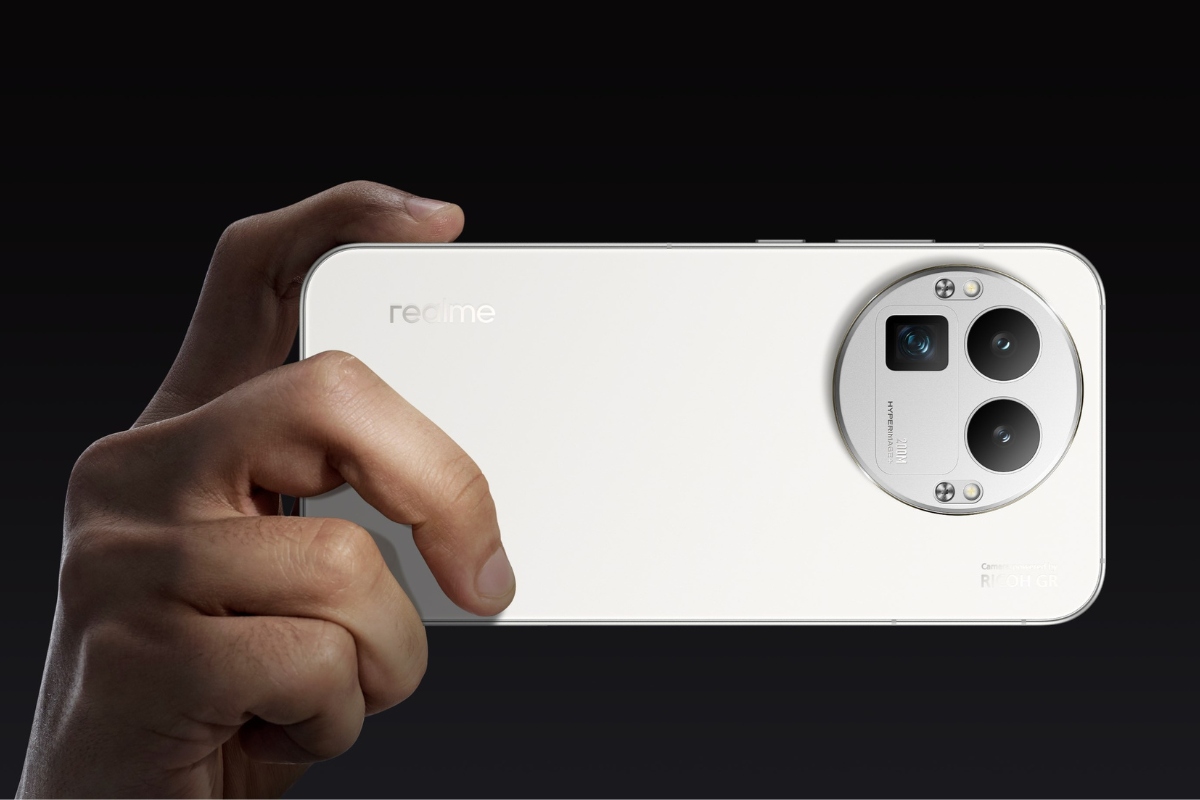
Realme has announced that select devices will receive four major Android OS updates, a policy first implemented with the Realme GT 7 last year. This extension means that models like the Realme GT 8 Pro and Realme GT 8 will be supported up to Android 20, while variants like the Realme GT 7 and GT 7T will go up to Android 19. Although this move shows an upgrade in Realme’s software support, it only impacts a narrow slice of premium devices.
A modest step amid tougher competition from peers
Realme’s expanded update promise stands out against its own previous standards, where most devices capped at three major Android releases. However, when measured against competitors, Realme’s commitment appears conservative. Samsung, for example, often delivers six to seven Android updates, even for budget and high-tier phones respectively. Motorola has notably increased its update pace too, promising five major upgrades for mid-range models, and recently extended the Motorola Signature to seven years of Android updates, matching Google and Samsung.

Related Post




Current coverage and the challenge for mid-range buyers
The list of Realme devices confirmed for four major updates is limited to flagship-grade products: the Realme GT 8 Pro and GT 8 targeting Android 20, while the GT 7 and 7T will see updates until Android 19. Meanwhile, mid-range models like the Realme 16 Pro+, which can cost up to INR 45,000 (roughly $540), still only receive three updates.
This creates a fragmentation issue in Realme’s software support strategy, limiting assured long-term updates to high-end devices. Users of mid-range and budget Realme phones are left behind compared to those from brands like Xiaomi and Oppo, which guarantee up to five major OS upgrades and prioritize newer mid-range devices with extended coverage.
Market effects and pricing dynamics
Realme’s flagship GT series devices typically retail between $400 and $700, placing them within the competitive premium Android smartphone market. While the four-year update policy aligns with expectations in this price bracket, the mid-range segment — often priced between $250 to $500 — does not benefit from similar guarantees. This could affect Realme’s appeal in the US and global markets, where consumers weigh software longevity heavily when selecting devices.
Daily Tech Lens view: Realme risks falling behind without broader update policies
Providing four major Android OS updates for flagship phones is a positive signal from Realme, yet limiting this to a handful of premium models restricts the real value for the broader user base. Competitors raising the standard, from Motorola’s growing support for mid-range to Samsung’s extensive update timelines, highlight the necessity for Realme to revise its software strategy.
Consumers looking for budget or mid-range smartphones should consider update policies seriously, as these reflect device longevity and security over time. If Realme expands its policy to cover more models, especially mid-range, it would better compete against established brands. Until then, we expect many to keep a close eye on how this segment evolves in Realme’s offerings.
Follow the Realme section at Daily Tech Lens for ongoing updates on software rollout and device support expansions.