Key Takeaways
- What: A confirmed list of Xiaomi, Redmi, and POCO devices excluded from the HyperOS 3.1 update.
- Who: Owners of the Xiaomi 12 series, POCO F5 series, and various Redmi Note models.
- Why: Insufficient NPU capabilities required for Android 16 features like Live Updates and app pre-compilation.
- When: The limitation applies to the upcoming HyperOS 3.1 rollout, expected post-HyperOS 3.
- Where: Global markets where these devices were sold.
- Outcome: Affected devices will remain on older OS versions, receiving only security patches.
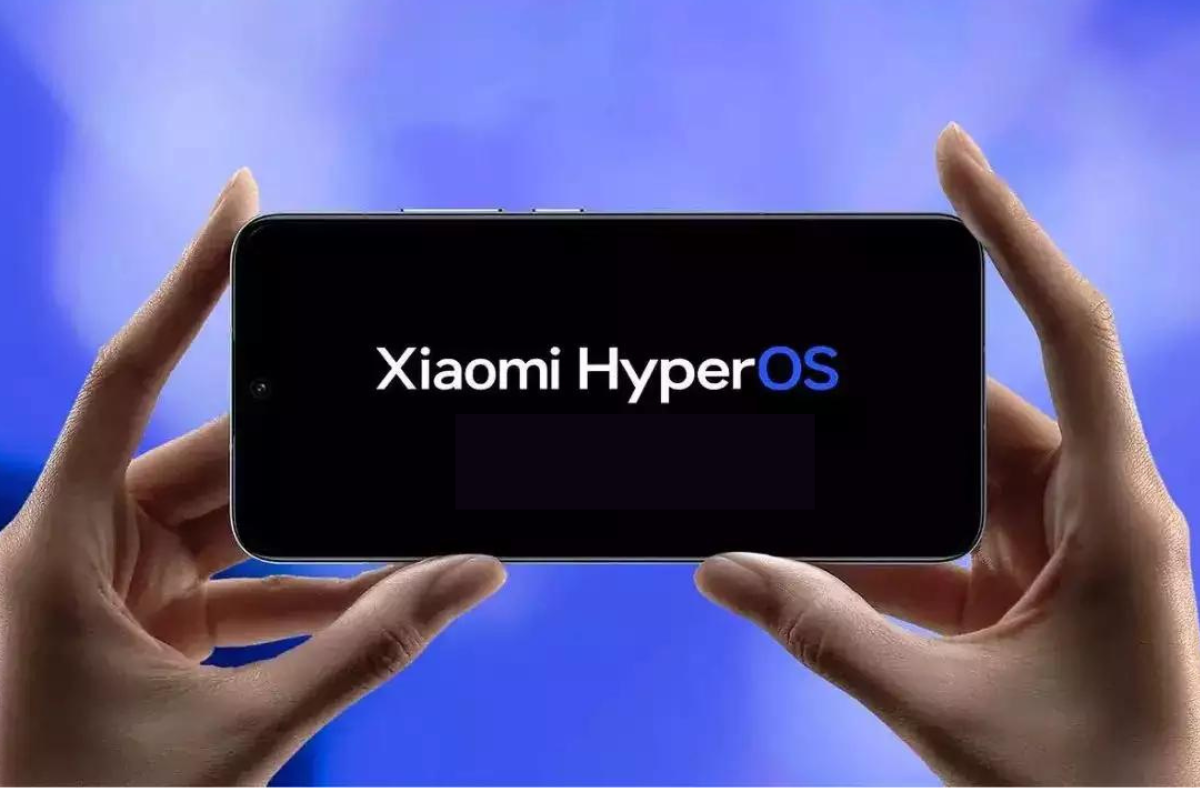
The HyperOS 3.1 update is rapidly becoming a focal point of discussion within the mobile technology community, particularly following recent disclosures regarding device eligibility. While Xiaomi is currently finalizing the rollout of HyperOS 3, development for the subsequent iteration, version 3.1, is already underway. This upcoming release is significant as it is built upon the Android 16 architecture, a foundation that introduces substantial changes to system requirements.
Unfortunately, this technological leap brings with it a restrictive compatibility list. Reports indicate that dozens of previously popular smartphones will not receive this essential upgrade. The exclusion stems primarily from hardware limitations found in older chipsets, specifically regarding their ability to handle the advanced neural processing demands of the new operating system.
Related Post




Technical Barriers: NPU and Android 16 Architecture
The primary driver behind the exclusion of numerous devices from the HyperOS 3.1 update is the aggressive integration of Artificial Intelligence (AI) at the system kernel level. Android 16 introduces a suite of features that rely heavily on the Neural Processing Unit (NPU). This specialized hardware component is designed to accelerate machine learning tasks without burdening the main CPU, ensuring efficiency and battery preservation.
According to technical reports from Xiaomi Time, the new software architecture leverages the NPU for critical functions such as “Live Updates” and “app pre-compilation.” App pre-compilation is a process where applications are optimized before they are even opened, drastically reducing load times.
However, this process is computationally intensive. Devices lacking robust NPU performance cannot execute these background tasks effectively without causing system lag or excessive power drain. Consequently, Xiaomi has determined that devices without the necessary hardware architecture are incapable of running HyperOS 3.1 to the company’s performance standards.
Impact on High-End Xiaomi Flagships
The most notable casualties of this hardware shift are found in Xiaomi’s premium lineup from recent years. Despite featuring processors that are still considered powerful for general tasks, the specific NPU architecture in these chipsets does not align with the requirements of Android 16.
The following high-end devices have been identified as incompatible with the HyperOS 3.1 update:
- Xiaomi 12
- Xiaomi 12 Pro
- Xiaomi 12S
- Xiaomi 12S Pro
- Xiaomi 12S Ultra
- Xiaomi 12T Pro
- Xiaomi MIX FOLD 2
- Xiaomi Pad 6 Max 14
- Xiaomi Civi 2 / Civi 3
- Xiaomi 13 Lite
The inclusion of the Xiaomi 12S Ultra and the foldable MIX FOLD 2 highlights the rapid pace of software evolution. These devices, which were flagship benchmarks upon release, now face the “End of Life” status for major OS upgrades due to the specialized demands of AI-integrated operating systems.
Exclusions for POCO Performance Models
The POCO brand, renowned for delivering high performance at competitive price points, also sees several of its popular models excluded from the roadmap. The HyperOS 3.1 update will not be available for devices that have been staples in the mobile gaming community.
The list of unsupported POCO devices includes:
- POCO F5 5G
- POCO F5 Pro
- POCO M6 Pro
- POCO X6 Neo
- POCO C65
The POCO F5 and F5 Pro, in particular, utilize the Snapdragon 7+ Gen 2 and 8+ Gen 1 chipsets respectively. While these processors are capable raw performers, their neural processing architectures appear to fall short of the specific thresholds set by the Android 16 framework used in HyperOS 3.1.
Redmi Note and K Series Eligibility Status
The Redmi lineup, which commands a massive user base globally, is significantly affected. The limitations extend across both the enthusiast-focused K series and the mass-market Note series.
The Redmi devices confirmed to miss the update include:
- Redmi K60 / K60 Pro
- Redmi K50 Ultra
- Redmi Note 12 Turbo
- Redmi Note 12T Pro
- Redmi Note 13 5G
- Redmi Note 13R Pro
It is crucial to note a general rule of thumb regarding eligibility: any device that has already been deemed ineligible for HyperOS 3 will automatically be ineligible for the HyperOS 3.1 update. The requirements for version 3.1 are strictly higher, creating a “double lock” on older hardware.
Long-Term Support and Security Implications
For users owning devices on these lists, the cessation of major OS updates marks a transition phase in the device lifecycle. While the HyperOS 3.1 update brings new features and interface changes, missing it does not render the smartphone obsolete immediately.
Xiaomi is expected to continue providing security patches for these models for a defined period. These patches are critical for maintaining the integrity of the device against malware and vulnerabilities, even if the user interface remains unchanged. However, over time, the lack of OS updates may lead to app compatibility issues as developers begin to target Android 16 APIs as a baseline.
Strategic Considerations for Upgrading
This development underscores the importance of considering software support lifecycles when purchasing modern smartphones. With the industry pivoting towards AI-centric features, the hardware requirements for operating systems are escalating.
Consumers currently using the affected models might consider upgrading if access to the latest Android 16 features is a priority. Newer models from Xiaomi are now launching with promises of up to six years of software support, offering a more future-proof investment. This extended support window ensures that devices remain compatible with evolving NPU and AI requirements for a longer duration, mitigating the risk of early obsolescence seen with the current transition to HyperOS 3.1.