The specification wars that dominated the early 2020s have effectively ended. In 2026, the gap between a “good” phone and a “great” phone isn’t measured in megahertz or megapixels—it is measured in software longevity and repairability. After shifting through the noise of Q1 releases and supply chain reports, the verdict is clear: the best devices this year aren’t the ones screaming about AI gimmicks, but the ones that nail the fundamentals of daily reliability.
We have categorized the market not by price brackets, but by user intent. Whether you need a pocketable computer, a creative canvas, or just a device that rings when Grandma calls, this is the hardware that matters right now.

Related Post
The Default Settings: Pixel and iPhone
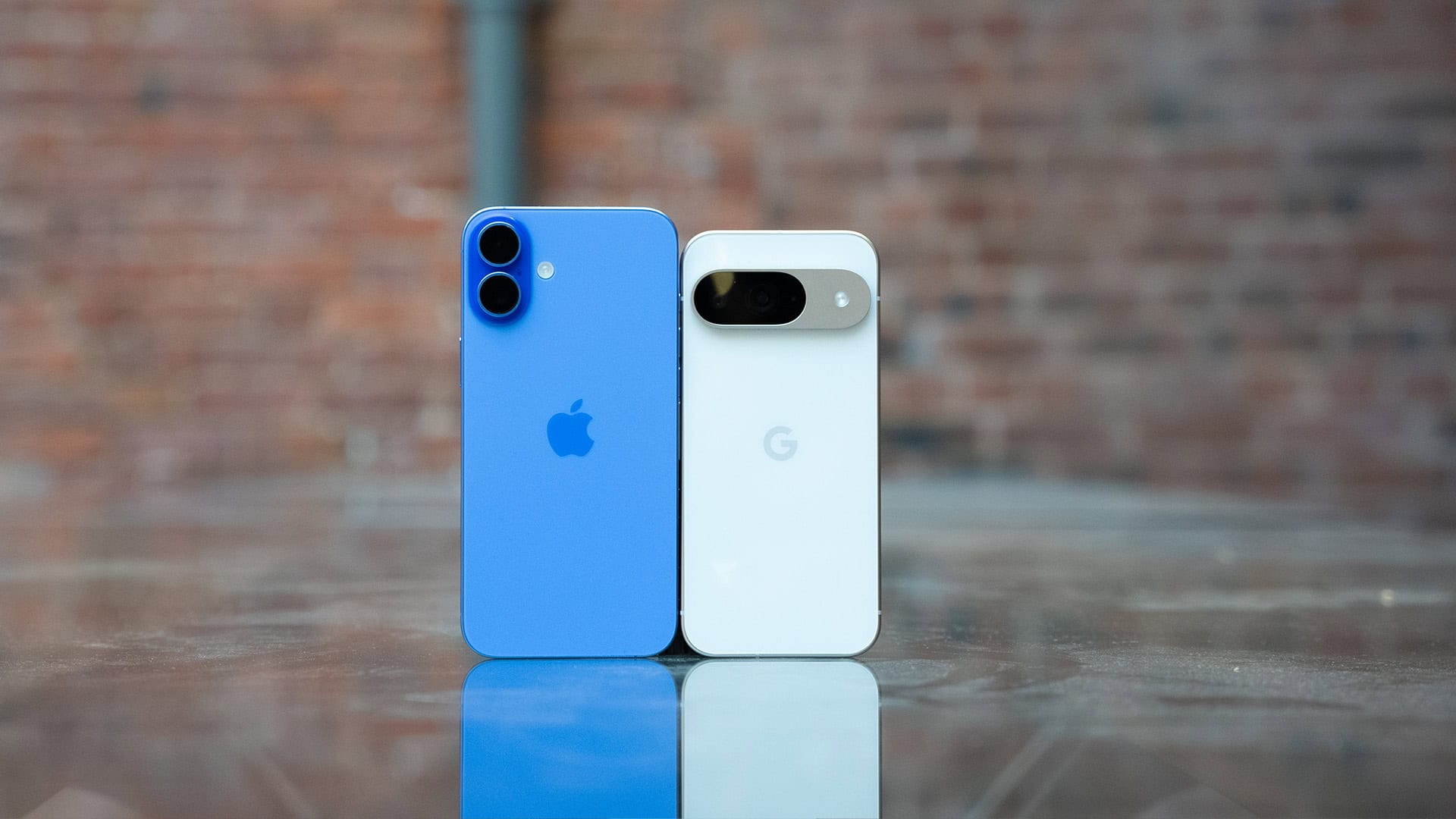
For the vast majority of users who want a flagship experience without the headache of configuration, the Google Pixel 10 Pro has secured the spot as the default Android recommendation. Google has finally moved past the hardware inconsistencies of the Pixel 6 and 7 eras, delivering a device that relies on camera consistency and deep OS integration rather than raw horsepower. It is the Android equivalent of a Toyota Camry: reliable, sensible, and engineered to age gracefully over a five-year support cycle.
On the other side of the walled garden, the Apple iPhone 17 remains the safest recommendation for general consumers. While the “Pro” moniker tempts buyers with titanium frames and telephoto lenses, the standard model offers the same core platform access and long-term OS support without the “largest screen” tax. Unless you are shooting ProRes video or need 120Hz refresh rates for competitive gaming, the base model offers the best return on investment in the Apple ecosystem.
The Physics of Endurance
If your primary concern is how long the device lasts away from a wall outlet, physics remains undefeated. The iPhone 17 Pro Max claims the battery-first crown simply because it utilizes the largest chassis to house the largest cells. The thermal headroom provided by the larger body allows for sustained performance that smaller devices cannot match, making it the practical choice for road warriors—provided you can tolerate the bulk in your pocket.
The Enthusiast’s Alternatives
The “third option” in the US market has historically been a graveyard, but the OnePlus 13 proves there is life outside the Samsung-Google duopoly. It targets the buyer who demands flagship speed and rapid charging but refuses to pay the premium attached to the bigger brand names. However, we advise caution regarding after-sales support; while the hardware competes with the best, retail availability and walk-in repair options lag significantly behind the major players.
For the creative professional who refuses to carry a tablet, the Samsung Galaxy S25 Ultra occupies a lane of its own. It remains the only viable option for stylus-dependent workflows. If you annotate PDFs, sketch architectural drafts, or live in handwritten notes, the S Pen integration justifies the steep price tag. It is less of a phone and more of a pocketable workspace.
The Value Proposition
Midrange phones in 2026 are arguably where the smartest money is spent. The Google Pixel 9a is the standout value pick, offering 90% of the flagship camera performance for 60% of the price. It cuts corners on build materials and wireless charging speeds—features that most users stop noticing after a week.
For strictly budget-conscious buyers, the Samsung Galaxy A16 5G represents the modern baseline. It provides necessary 5G connectivity and a screen that doesn’t look like a relic, ensuring that “affordable” doesn’t mean “obsolete.” It is the ideal choice for corporate fleets or first-time smartphone users.
Form Factors: The Foldable Reality
The novelty of folding screens has worn off, leaving us with practical, albeit expensive, tools. The Samsung Galaxy Z Fold 7 is the definitive “mini-tablet” replacement. It has refined the hinge mechanism to a point of reliability, but prospective buyers must accept the reality of higher repair costs. The inner screen remains a fragile component, and out-of-warranty repairs can rival the cost of a new midrange phone.
In the flip style, the Motorola Razr Ultra offers the best balance of pocketability and external screen utility. It is a lifestyle device first and a productivity tool second. If you value a phone that disappears into a small pocket, this is the winner, but be prepared for a battery life that trails behind rigid slab phones.
The Voice-First Minority
Finally, we must acknowledge that not everyone wants a pocket computer. The TCL Flip 4 5G is the choice for the digital minimalist or the voice-first user. It proves that feature phones can handle modern 4G/5G bands for clear calls without the distraction of an app store. It is a tool for communication, nothing more.
The Daily Tech Lens Verdict
In 2026, we advise against upgrading for the sake of novelty. If you hold onto phones for three years or longer, prioritize the Pixel 10 Pro or iPhone 17 for their software support windows. If you are chasing form factors like the Z Fold 7, ensure you have insurance or a budget for repairs.
The smartest purchase strategy this year is boring: pick your operating system, choose the screen size your hands can tolerate, and invest in battery life and camera reliability. Ignore the marketing buzzwords; they will be forgotten long before your contract expires.