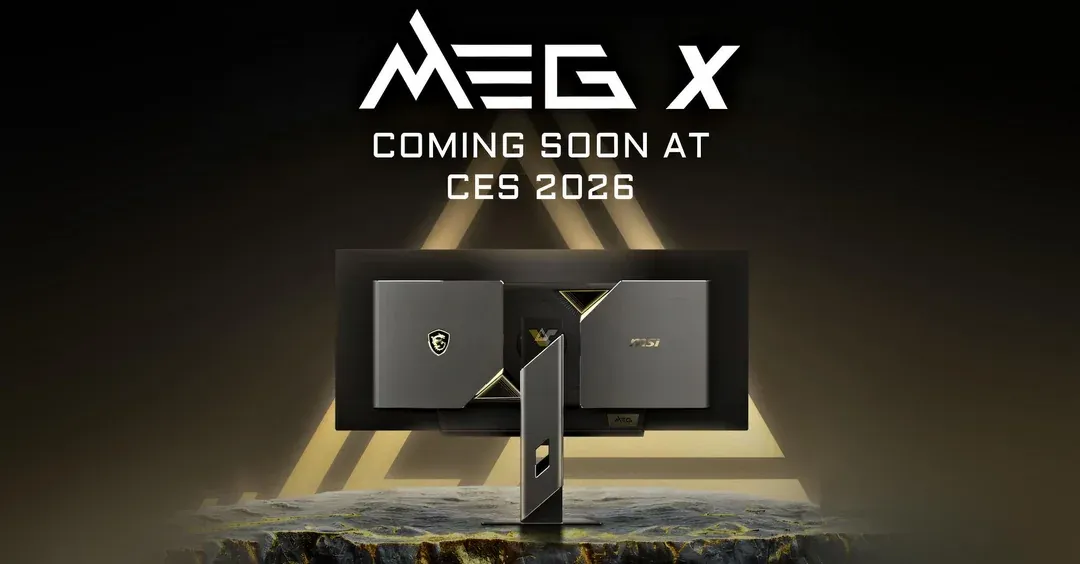
MSI has effectively militarized the gaming monitor. Unveiled following CES 2026, the revived MEG X lineup represents a controversial shift in peripheral design that prioritizes competitive advantage over mere visual fidelity. While manufacturers usually compete on refresh rates or color accuracy, MSI has introduced a suite of onboard AI processing tools that functionally mimic software cheats. This device does not just display the game frame by frame; it actively interprets the video feed to assist the player.
Hardware That Plays the Game for You
The core controversy centers on the onboard AI processor which operates independently of the host PC. Because the analysis happens at the display level, standard anti-cheat software like Vanguard or VAC cannot easily detect it. The monitor offers features such as “Sky Sight” which scans the mini-map to predict enemy locations and an overlay system that highlights character models in high-contrast colors. Perhaps most contentious is the flashbang reduction capability. The AI detects the sudden whiteout frame typical of tactical shooters and digitally reduces the brightness and duration of the effect. This gives the user vision recovery milliseconds faster than their opponents.

Related Post




Specs Behind the Controversy
Underneath the AI layer lies a formidable panel. The MEG X utilizes a 34-inch fifth-generation QD-OLED ultrawide screen with a 3440 x 1440 resolution. It pushes a 360Hz refresh rate with a 0.03ms gray-to-gray response time. These specifications place it at the apex of current display technology, matching the motion clarity of the best panels from Samsung and LG. Yet, the selling point remains the silicon, not the organic LEDs. The system creates a “Smart Crosshair” that changes color against the background for perfect visibility and includes an auto-zoom feature that magnifies the center of the screen when aiming down sights.
The Razer Snap Tap Parallel
This development mirrors the recent “Snap Tap” controversy involving Razer keyboards, where hardware-level input automation allowed for perfect counter-strafing in Counter-Strike 2. Valve eventually stepped in to restrict those inputs at the server level. The MSI MEG X presents a more complex challenge for developers because the data flow is one-way; the monitor reads the pixels, but it does not send input signals back to the game. It simply gives the human player visual information they should not have.
Pricing and Market Positioning
While MSI has not confirmed final US pricing, fifth-generation QD-OLED panels in the 34-inch class typically debut between $1,099 and $1,299. Given the proprietary AI silicon and the “MEG” flagship branding, we expect this unit to land closer to the $1,400 mark. This positions it as a luxury item for the wealthy enthusiast rather than a standard tool for the average gamer.
The Daily Tech Lens Verdict
We view the MEG X with significant skepticism regarding its longevity in competitive play. While the hardware itself is impressive, purchasing a $1,400 monitor for its “AI assist” features is a risky investment. Tournament organizers will almost certainly ban these devices from LAN events immediately. Furthermore, game developers are likely to update their Terms of Service to classify hardware-assisted visual modification as a bannable offense, relying on heuristic behavioral detection to catch users. If you want a top-tier OLED, the panel is excellent. If you want a legal aimbot, proceed at your own risk.